
Historical Beginnings and Developments
The concept of mail order brides first appeared centuries ago, grounded in cultural circumstances where union was often arranged across great distances.
The westward expansion era marked a time when mail order bride catalogs flourished, helping men find brides from elsewhere.
Economic forces and a scarcity of women in frontier settlements spurred the rise of mail order brides, addressing the gender imbalance.
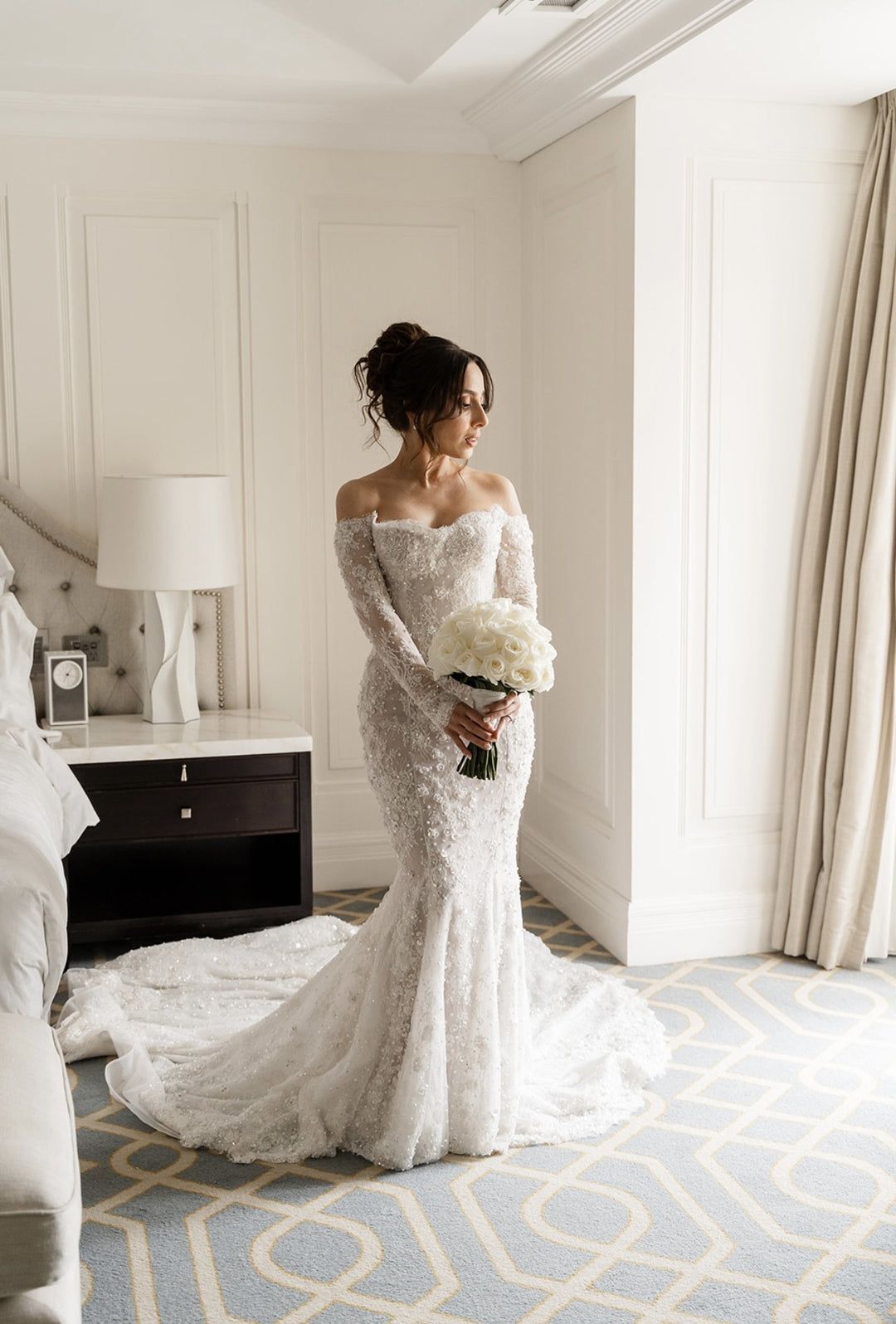
The transition from personal letters and classified ads to professionally printed catalogs marked a significant step in mail order bride history.
International Views and Cultural Differences
Cultural and regional diversity has shaped unique mail order bride customs around the world.
Countries like China and Southeast Asia have long histories of arranged marriages that share features with the mail order bride tradition, often linked to demographic challenges.
European contexts showed mail order bride practices as part of migration strategies, with women moving continue reading for new opportunities.
In Latin America, the practice has been influenced by both indigenous customs and European colonial legacies.
Contemporary mail order bride exchanges commonly involve Eastern Europe and the Philippines, which represent new facets of a longstanding practice.
Economic and Social Drivers Throughout History
Monetary concerns have persistently influenced the rise and persistence of mail order bride customs.
The demographic imbalances in frontier areas encouraged men to find wives through mail order arrangements.
Women frequently chose mail order marriages as means to enhance their socioeconomic status and futures.
The overlap of financial needs, cultural expectations, and gender disparities has driven the ongoing existence of mail order brides.
Mail order brides significantly aided the social fabric and demographic expansion of new communities.
Communication Methods and Evolution Over Time
At first, hopeful partners exchanged ink-written letters that traveled by slow mail services, testing patience.
Newspapers played a key role as well by running classified ads, which later grew into formalized catalogs listing potential brides.
Technological advances like the telegraph and telephone shortened communication times but letters still prevailed.
Modern digital technology has transformed the practice, with websites and instant communication reshaping how couples connect.
While modern communication methods simplify international matchmaking, they also bring challenges related to trust and security.
Legal and Ethical Considerations
Different countries apply varying legal measures to the mail order bride phenomenon, reflecting their distinct environments.
In places with strong oversight, governments require thorough investigations and legal frameworks to regulate mail order marriages.
Ethical debates focus on potential exploitation, gender inequality, and the commodification of marriage.
Advocates stress empowerment, cultural exchange, and personal agency in contracts formed through this tradition.
Efforts to update legal standards focus on fairness, security, and respecting freedoms in mail order bride cases.


